From Gold to Diamonds
How Precious Materials Shaped the History of Art
31/10/2025 Art History
One of the most famous contemporary artworks is For the Love of God by Damien Hirst, a platinum cast of an eighteenth-century human skull covered with 8,601 diamonds and featuring its original teeth. With this work, Hirst turns jewelry from decoration into the very essence of the piece, prompting us to wonder when and how precious materials began to be seen as art themselves.
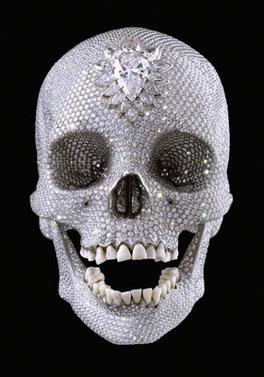
Damien Hirst, For the Love of God, 2007
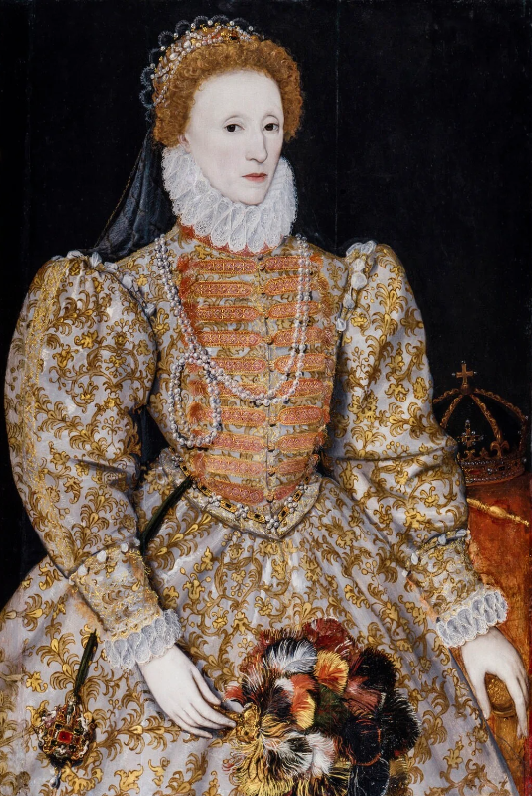
Before precious materials became the artwork itself, they were used as symbols of power by royalty. In Hans Holbein the Younger’s Portrait of Henry VIII (ca. 1537; Madrid, Museo Nacional Thyssen-Bornemisza, Madrid) and the Darnley Portrait of Elizabeth I (ca. 1575–76; London, National Portrait Gallery, London), crowns and jewels show royal authority but remain within the world of painting. In ancient art, gold held a double meaning: it was both a precious material and a symbol of the divine, valued not only for its rarity but for what it represented. 
Hans Holbein the Younger, Portrait of Henry VIII of England, ca. 1537. Madrid, Museo Nacional Thyssen-Bornemisza
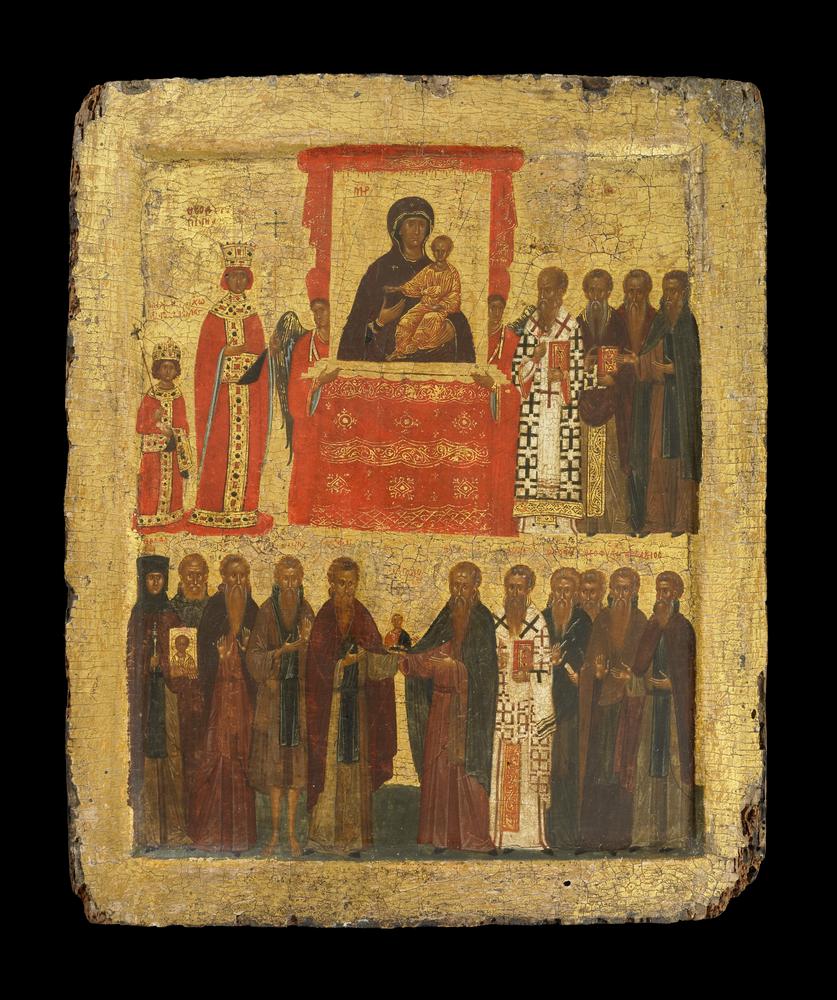
From Byzantine icons such as the Triumph of Orthodoxy (late 14th–early 15th century; London, British Museum) to medieval and late-medieval panels like the Wilton Diptych (ca. 1395–99; London, National Gallery), gold thus became both theological light and material value.
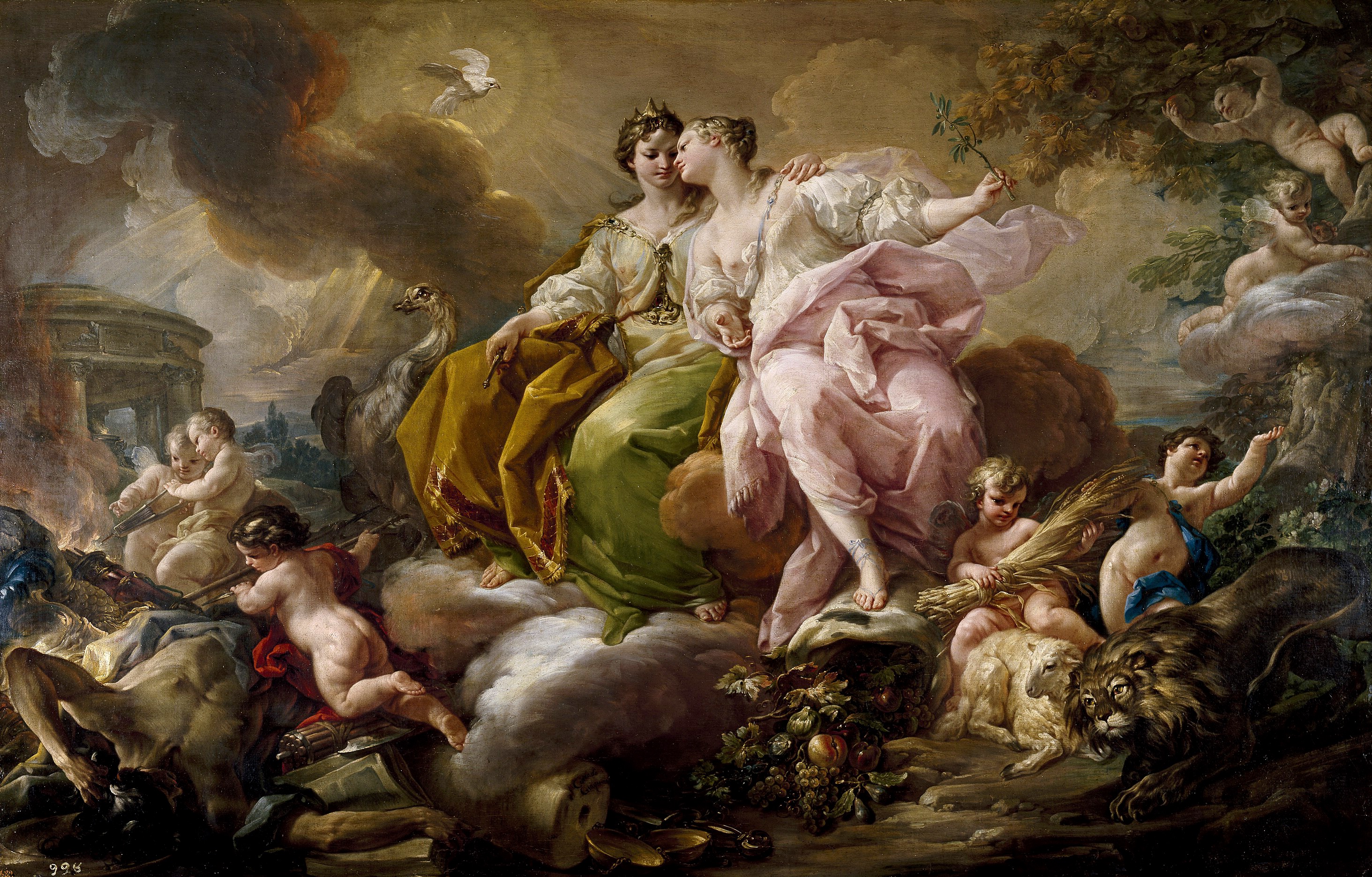
Natural ultramarine, derived from Afghan lapis lazuli, was among the most expensive pigments of the period, often more than gold, and its use was not merely aesthetic but a sign of devotion and prestige: it conferred special importance upon the work, reserving it for sacred figures or the most illustrious patrons. A famous case is Giotto’s Scrovegni Chapel in Padua, where ultramarine was used for the blue surfaces of the starry vault and other sections of the pictorial ensemble.
The Scrovegni Chapel (Padua, Italy). Painted by Giotto between 1303 and 1305
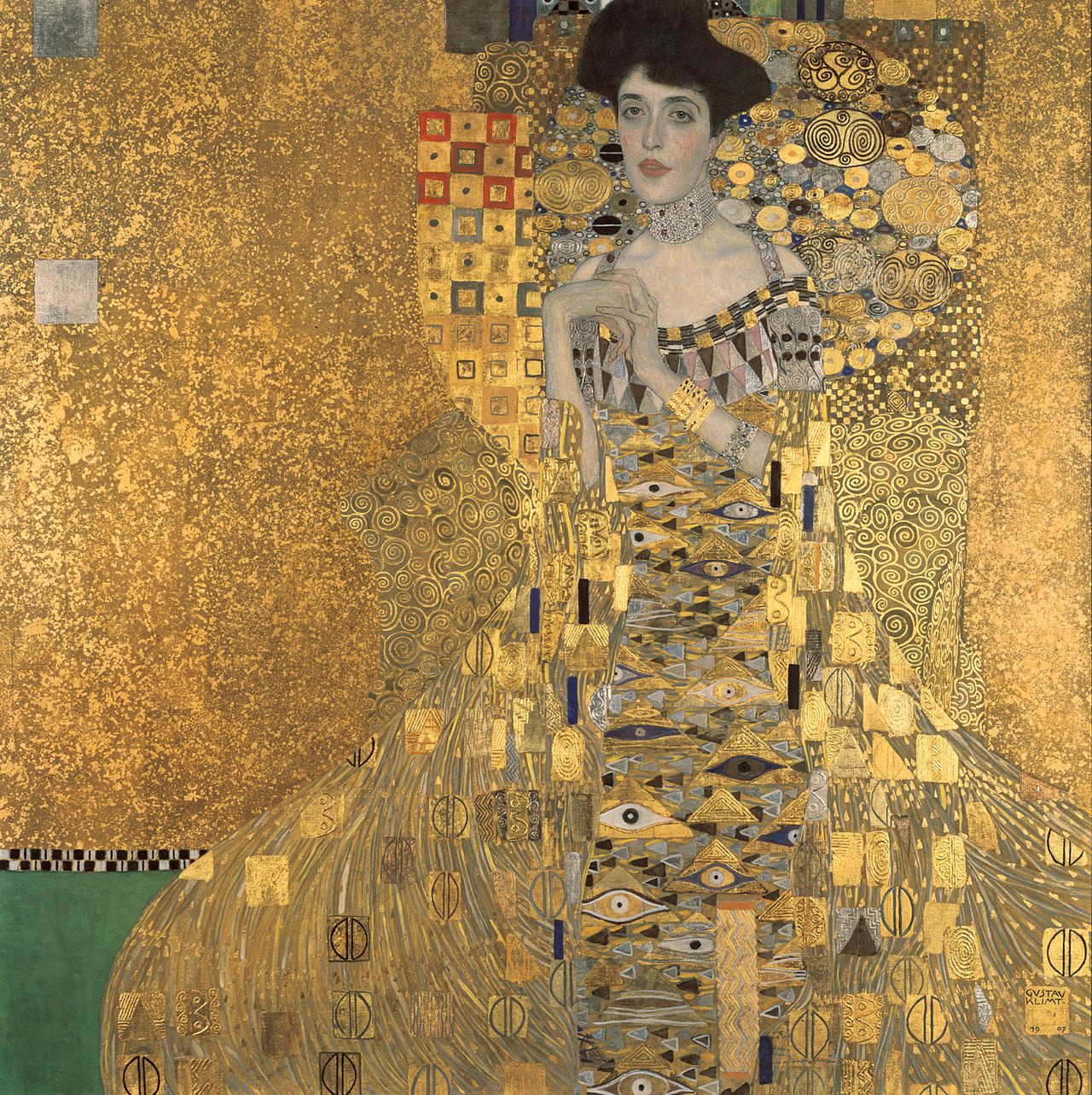
Between the nineteenth and twentieth centuries, gold returned as a modernist language in Gustav Klimt’s Portrait of Adele Bloch-Bauer I (1907; New York, Neue Galerie), but it was with Cubism that real objects entered painting in a programmatic way: Still Life with Chair Caning by Pablo
Picasso (1912; Paris, Musée Picasso) introduced a fragment of tangible reality: a printed oilcloth imitating the weave of a chair, glued to the surface and framed by a rope, the first gesture of the Cubist collage.
The lesson was taken further by Robert Rauschenberg with his Combines, where painting and object coexist on the same surface: in Charlene (1954; Amsterdam, Stedelijk Museum) everyday materials such as fabrics, mirrors, and lights intertwine with paint, erasing any distinction between art and life.
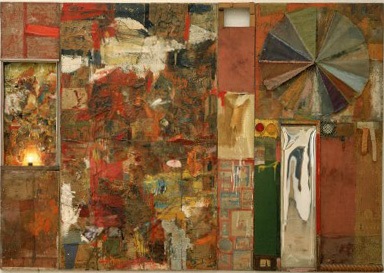
Robert Rauschenberg, Charlene, 1954. Amsterdam, Stedelijk Museum
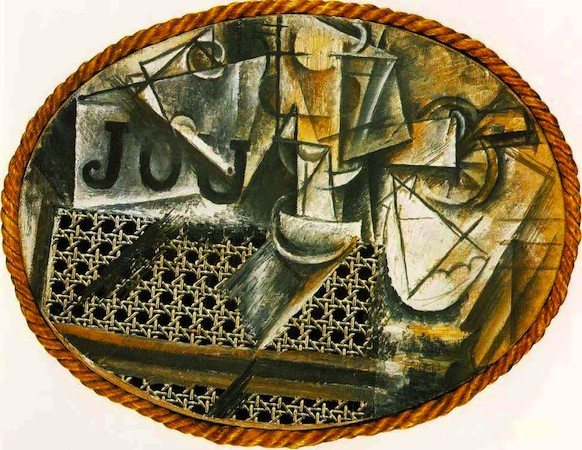
Pablo Picasso, Still Life with Chair Caning, 1912. Paris, Musée Picasso
In more recent years, the idea of the precious has re-emerged in both symbolic and material form, as in the work of El Anatsui, who transforms humble materials into shimmering, gold-like tapestries. In works such as Dusasa II (2007; New York, The Metropolitan Museum of Art), the Ghanaian artist assembles thousands of bottle caps made of aluminium and copper, joining them with metal wires to create luminous draperies: industrial waste turned into a new form of visual wealth, where base metal becomes precious.
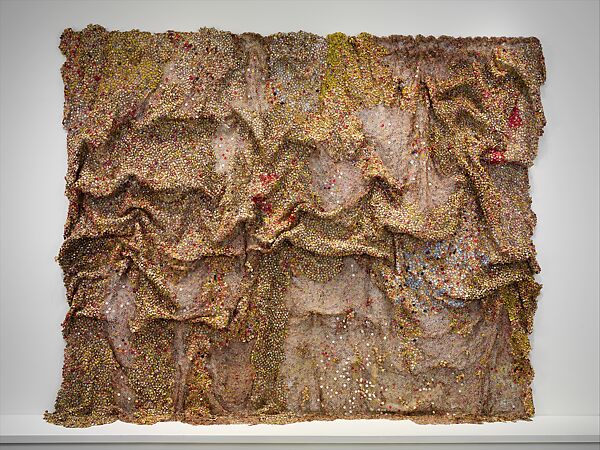
El Anatsui, Dusasa II, 2007. New York, The Metropolitan Museum of Art
This brings us back to Hirst’s skull, where the precious no longer symbolizes power but becomes its very form. The artwork transforms the traditional memento mori into something radiant and lasting, reviving the ancient desire to turn light and value into the essence of art itself