There is nothing further from Dadaism than attempting to define what Dada is. Dada is something akin toNegative Philosophy: It’s easier to say what things are not rather than what they are.
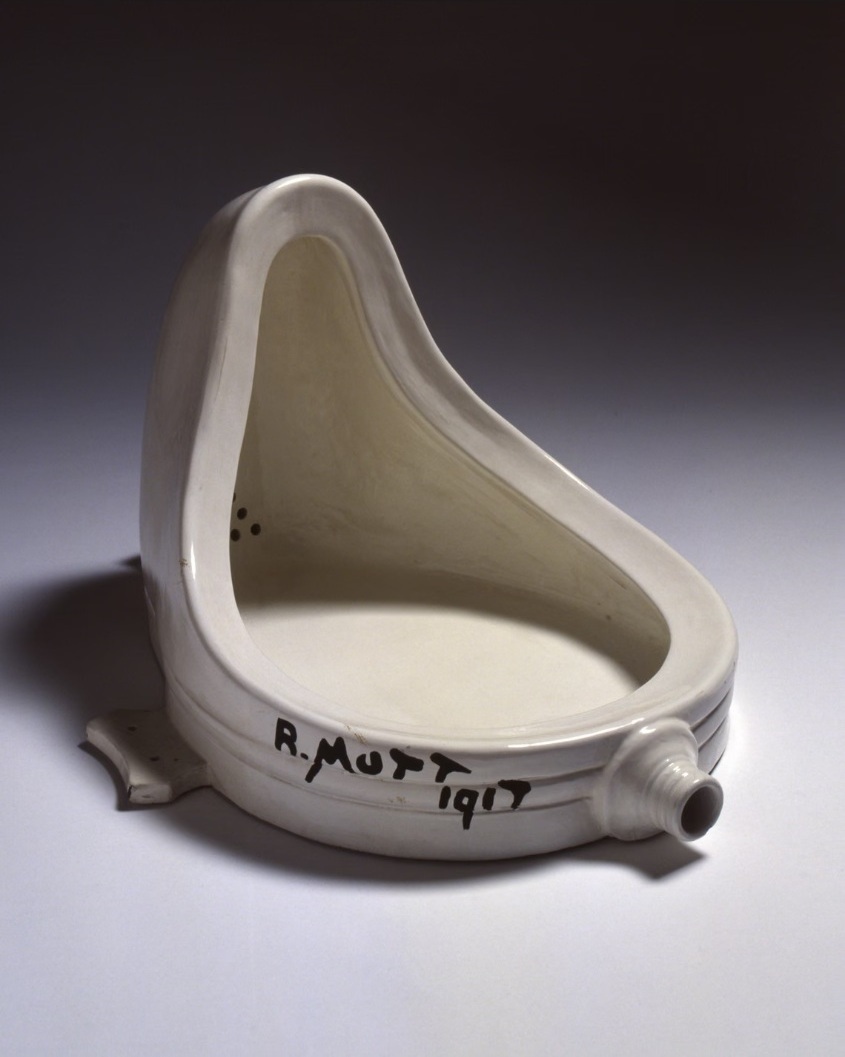
Dada certainlyis not art, at least not as it was known and experienced until the early 19th century.Marcel Duchamp‘sFountainis a clear example: an overturned urinal elevated (but are we sure art elevates?) to the status of art.
Marcel Duchamp, Fountain, 1917
And it’s no coincidence that the original from 1917was lost. Art with Fountain disappears altogether. At least “art” in its etymological sense: something that has to do with the activity of “making”, with an activity that must be completed with the production of an object.
With Duchamp and the Ready-Mades, art loses its aesthetic and visual dimension to reside only in theideaandintention of the artist. We are at the dawn of future Conceptual Art.
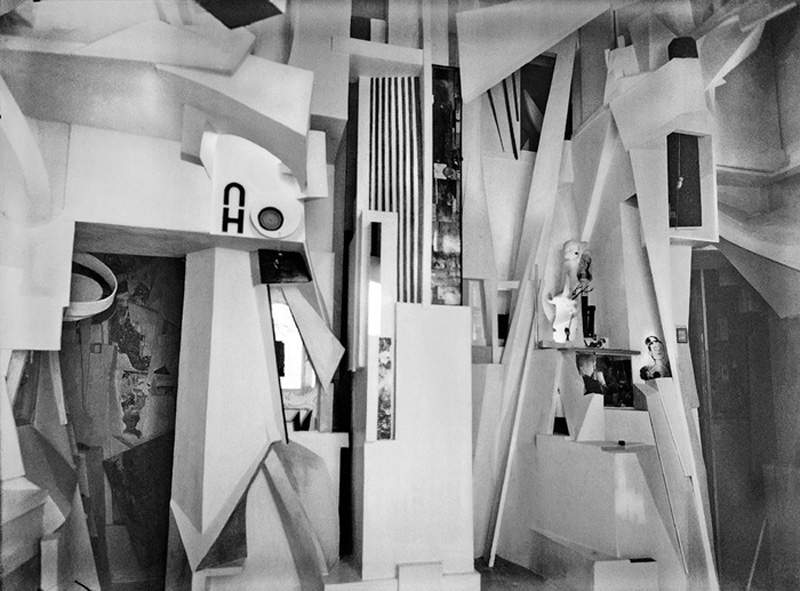
Dada is not art also because an artistic product, to be such, must befinished. In its own way, even in its unfinished state, it is finished. It is not possible to conceive and embrace the infinite. Perhaps this is precisely whatKurt Schwittershad in mind when, on several occasions and in different cities, he tried to build his impossible construction: theMerzbau.
Conceived first in Hanover, then in Oslo, and finally in Ambleside, England, the Merzbau can be considered as a potentially infinite construction: it follows no design will but collects the most desperate materials, evenwaste(a practice that Schwitters also uses in his works closest to painting, see for example Merzbild 9A Bild mit Damestein from 1919) or material left as a gift by visitors and friends of the artist. In this case too, history has endeavoured togive meaning to the work: the first Merzbau in Hanover was destroyed by an air raid in 1943.
Even war follows a negative philosophy, and ultimately Dada is nothing but a negative response to the irrationality of the so-called Short Century, the first decades of the 20th century.Minus times minus still makes plus.